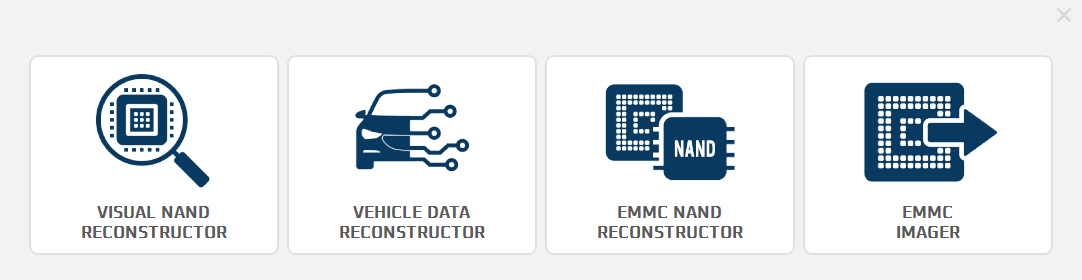

In this release, we introduce an updated concept behind our products.
The Rusolut Platform is a unified application that serves as a central workspace for all Rusolut solutions – current and future.
From Visual NAND Reconstructor and Vehicle Data Reconstructor to eMMC-NAND Reconstructor, all tools are accessible from a single interface.
A scalable platform designed to support advanced data recovery and forensic analysis from one place.
We’re also pleased to announce a new update for Visual NAND Reconstructor 10.0, now integrated into the Rusolut Platform 10.0.
This release focuses on the development of powerful, high-performance AI-XOR algorithms for the latest flash controllers – PS2251-09/19 and FC33xx.
In addition, we’ve significantly improved the performance of all existing AI-XOR algorithms, delivering faster and more efficient analysis across supported devices.
We’ve also increased read performance for the NVDDR3 3D NAND (6×ALE) protocol, enabling significantly faster acquisition from large-capacity NAND chips.
Below is a summary of all the new features included in this update.
AI-XOR for PS2251-09 & PS2251-19 microcontrollers
The PS2251-09/19 controller family is widely used in USB flash devices, but its XOR implementation can present challenges during data reconstruction. Traditional workflows rely on selecting a static XOR from a database after identifying the page layout, assuming the device follows a known pattern.
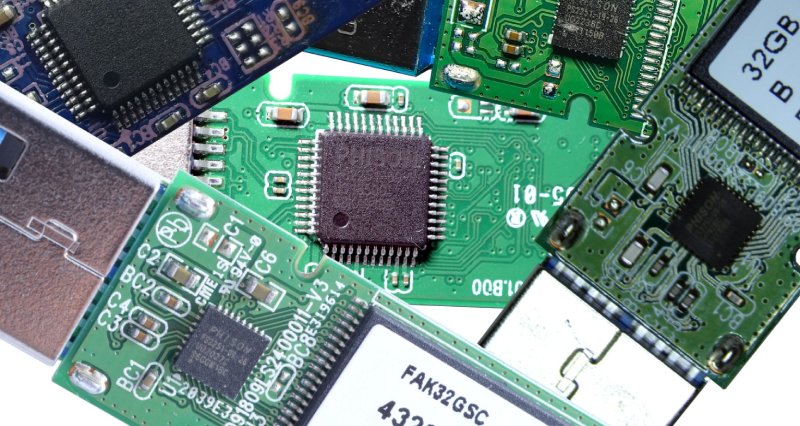
In practice, this assumption often breaks down. XOR patterns can differ only slightly between devices, and some controllers use page or block sizes that do not match any existing XOR configuration, making reliable identification difficult and time-consuming.
To address this, we developed a dedicated AI-XOR search mechanism for PS2251-09/19-based devices. The new PS2251-09 XOR element removes the need for manual XOR selection by automatically synthesizing the correct scrambling sequence during analysis. In addition, it can compensate for incomplete data by filling missing gaps when sufficient structure is present.
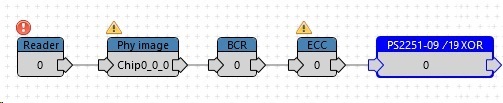
This approach significantly simplifies the XOR extraction process, improves analysis speed, and enables successful reconstruction in cases where traditional static XOR methods fail due to unusual block layouts or limited data availability.
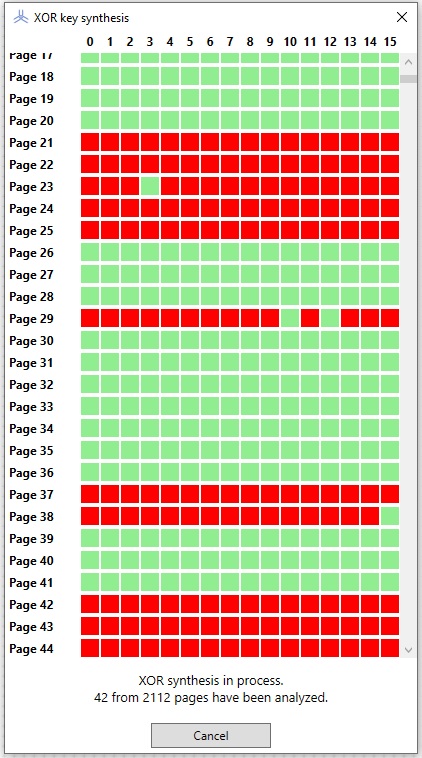
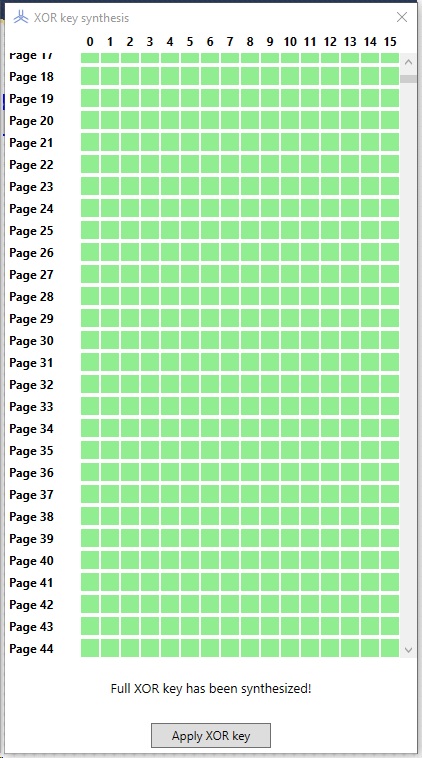
Find more details in our article:
https://support.rusolut.com/portal/en/kb/articles/ps2251-09-19-xor
AI-XOR for FC33xx microcontrollers
Flash devices built around the latest FC33xx controller family introduce a level of XOR complexity that makes traditional reconstruction techniques ineffective. Unlike controllers that rely on predictable, reusable XOR patterns, FC33xx devices employ scrambling behavior that cannot be reliably resolved through manual analysis.
Attempting to assemble an XOR key by hand is, in practice, close to impossible. Even small variations in the scrambling sequence prevent meaningful correlation with known XOR data, and extensive trial-and-error rarely produces consistent results.
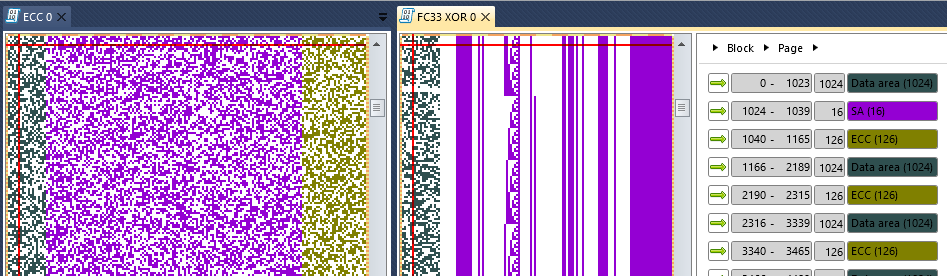
To overcome this limitation, we implemented an AI-XOR reconstruction element specifically tailored for FC33xx controllers. Rather than searching for a matching key, the system derives the scrambling logic dynamically during analysis, adapting to the actual data structure present on the device. When data is incomplete, the algorithm can infer and reconstruct missing portions based on detected patterns and structural consistency.
This approach eliminates manual XOR handling entirely and enables reliable reconstruction of FC33xx-based devices that were previously impractical or impossible to process using conventional static XOR techniques.
Other features
-
All AI-XOR algorithms now operate faster when running from a local SSD
-
Reading speed on the NVDDR3 3D NAND (6xALE) protocol is increased
-
SLC Samsunt/Hynix/Micron/Intel reading issue is fixed
-
Fixed an ECC map address copy issue
-
Many additional minor issues have been fixed
NAND chips
-
2C844863A904_HybridX1
-
2C84643CA9
-
453C98B376_256_256block
-
453C98B376710B06
-
453C98B376
-
454897937E510E04_SLC
-
45489C03766C081C
-
45DE849372
-
89D7D53E78A189D7
-
98D7D43276
-
98DE989272_SLC_MODE
-
EC3A9443A4CAEC3A
-
ECD598DE94C5
Some of the configurations above have been updated
New scramblers (XOR keys)
-
CBM2096E(16k_256p)_7421FC
-
CBM2098E(4k_128p)_7421FC
-
CBM2099(8k_1024p)_C32EA6
-
CBM2199(16k_512p)_CF7ED4
-
CBM2199(16k_86p)_CF7ED4
-
DM8261(9216b_256p_ecc54b_xoredSA)_16_D3C1FC
-
IS918M(18592_768p_112ecc_xoredSA_xoredECC)_624BBB
-
mSD(16k_256p)_5FF55A
-
mSD_PNY(16k_2304p)_A6ED8D
-
PS2251-09-V(16k_576p)_9A9EF0(FOR_REPLACE)
-
PS_inside_UP309(16k_2304p)_9A9EF0
-
PS_MicroSD(18432_576p_xoredSA_ECC)_5061FD
-
PS_MicroSD(18432b_256p_1152_xoredSA_ECC)_5061FD
-
PS_monoUFD(9216b_258p_ecc118b_xoredSA_ECC)_5061FD
-
S01681AA(18432b_256p_1150_xoredECC)_1775CE_16
-
S01681AA(18592b_256p_1150_xoredECC)_1775CE_16
-
Sandisk(8576b_32p_ecc80b_xoredSA)_34C669
-
SK6221(8k_256p)_FFFFFF
-
SM3257EN(8k_86p)_EFE2F2
-
SMmonolith(17664b_256p_1096_xoredSA)_17FE70
-
YS8231(8832b_256p_SA_XOR-5b_ECC-42b)_A45919
-
YS8231(8832b_256p_XoredSA-5b_XoredECC-42b)_A45919
Some of the XOR Keys above have been updated
New ECC/BCH
-
ATJ_8936_(ecc70b)_SA4b_8
-
CBM2098E_8832(ecc68)_8
-
IS918M-FN02_18592(ecc112b)_16
-
S01681AA_18592(ecc126)_16_X
-
SK6221_8936(ecc50b)_8
-
SM2236GAC_17760(ecc74b_SAecc_8b)_17
-
SM3255Q-AB_8640(ecc42b+SAecc21b)_8+1
-
SM_monolith_17664(ecc72b+21SAecc)_16+1
-
SM_monolith_mSD_8960(ecc78b+21bSAecc)_8+1
-
SM_monolithUFD_9216(ecc122+21SAecc)_8+1
-
Unknown_22_18399_16.bch
Some of the ECC codes above have been updated
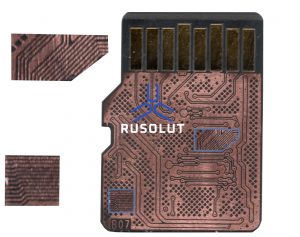
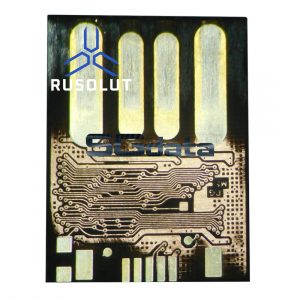
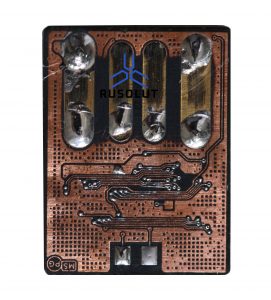
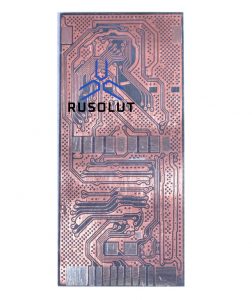
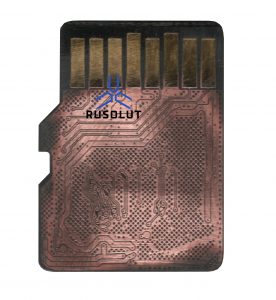
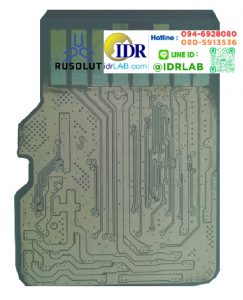
New monolithic chip pinouts
We’d like to thank our users for sharing pinouts:
SGdata, Poland
https://sgdata.pl
IDRLAB, Thailand
https://www.idrlab.com